The Fiber-Gut-Mood Connection: Why Prebiotics Matter More Than You Think
Did you know your gut could be influencing your mood more than you think? The secret lies in prebiotic fiber—a natural fuel for the beneficial bacteria that regulate your emotional health. In this article, you’ll discover how fiber impacts your brain, which foods to focus on, and how to support your gut-brain axis for improved clarity, calm, and resilience.
What Are Prebiotics and Why They Matter
Fiber as Fuel for Your Microbiome
Prebiotics are fermentable fibers that feed beneficial gut bacteria. Unlike probiotics (live bacteria), prebiotics nourish the existing microbiome and help it produce neurotransmitters like serotonin and GABA.
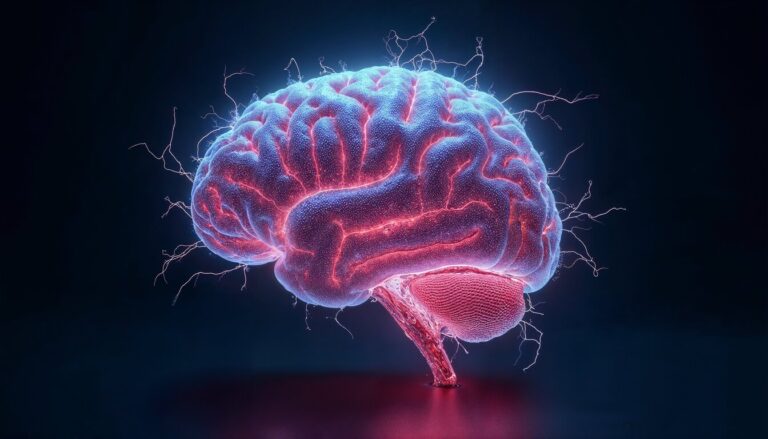
Gut-Brain Axis in Action
The gut communicates with the brain via the vagus nerve and chemical messengers. A healthy gut promotes emotional stability, clarity, and stress resilience. To explore this connection further, check out our article onUnderstanding Nutritional Psychiatry.
The gut and brain are deeply connected—prebiotic fiber supports this axis and enhances emotional resilience.
How Fiber Influences Mood and Cognition
Short-Chain Fatty Acids (SCFAs)
As prebiotics ferment in the gut, they produce SCFAs like butyrate, which support brain health, reduce inflammation, and influence mood.
Reduced Neuroinflammation
Fiber helps lower systemic inflammation, which is linked to anxiety, brain fog, and depression.
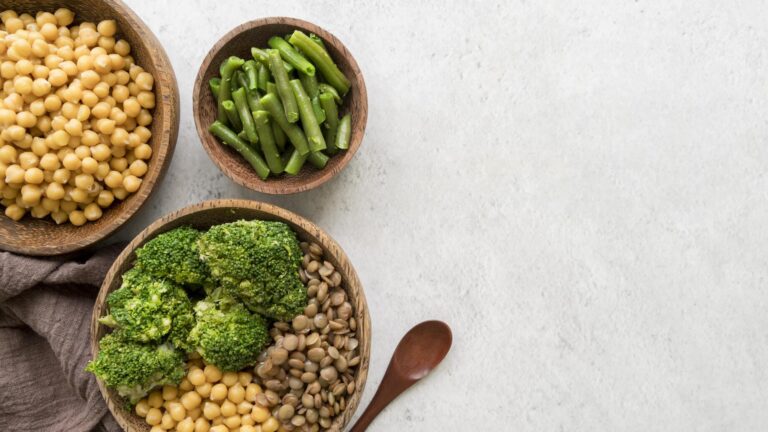
Best Prebiotic Foods for Brain Support
Daily Prebiotic Superstars
Green bananas
Chicory root
Garlic
Onions
Leeks
Asparagus
Oats
Add them to smoothies, soups, or salads to naturally boost your gut-brain connection.
Prebiotics produce SCFAs like butyrate—natural compounds that protect the brain and uplift mood.
Signs You Might Need More Prebiotic Fiber
Common Clues
Irregular digestion
Mood swings
Brain fog
Low energy
Cravings for sugar or carbs
Your body often signals when your gut is out of balance—listen closely.
How to Add Prebiotics Without Bloating
Go Low and Slow
Start with small portions and gradually increase. Drinking water and spacing fiber throughout the day minimizes gas and discomfort.
Support with Movement
Light movement post-meal helps stimulate digestion and ease fiber processing. You can also support your sleep quality with strategies discussed inDoes Melatonin Really Work?.
Hydration and mindful pacing help your body adjust to increased fiber without discomfort.