The Longevity Reset: Small Daily Habits for a Younger, Calmer You
A Longevity Reset isn’t about perfection, extreme routines, or living forever. It’s about a few small, daily habits that help you feel calmer, more energized, and more resilient over time.
As the year winds down, many people notice the same signals: low energy, higher stress, poor sleep, and a sense that their body needs a reset—not a push. That’s exactly where a longevity reset fits in.
In this guide, you’ll learn:
What a longevity reset actually is (in simple terms)
The daily habits most consistently linked to healthy aging
A practical way to apply them over the next 7 days
Small daily habits that support calm, vitality, and healthy aging.
What Is a Longevity Reset?
A longevity reset is a short, intentional period where you simplify your lifestyle and focus on habits that support long-term health—especially energy regulation, stress resilience, and recovery.
Instead of chasing quick fixes, a longevity reset helps your body return to a more balanced baseline. Research consistently links movement, sleep quality, fiber intake, and social connection with better long-term health outcomes and lower stress burden.
Many of these patterns show up clearly in populations known for healthy aging, such as the cultures explored inBlue Zones, Explained.
A longevity reset supports balance at the cellular and lifestyle level.
Habit #1: Move Naturally Throughout the Day
Longevity isn’t built in the gym—it’s built through frequent, gentle movement.
Daily walking, light stretching, standing more often, and outdoor activities help regulate blood sugar, support joint health, and improve mood. In Blue Zone regions, movement is woven into daily life rather than scheduled workouts.
Why it matters: Regular low-intensity movement supports cardiovascular health and helps regulate stress hormones over time.
Try this today (2–5 minutes):
Take a short walk after one meal
Stretch calves, hips, and shoulders once during the day
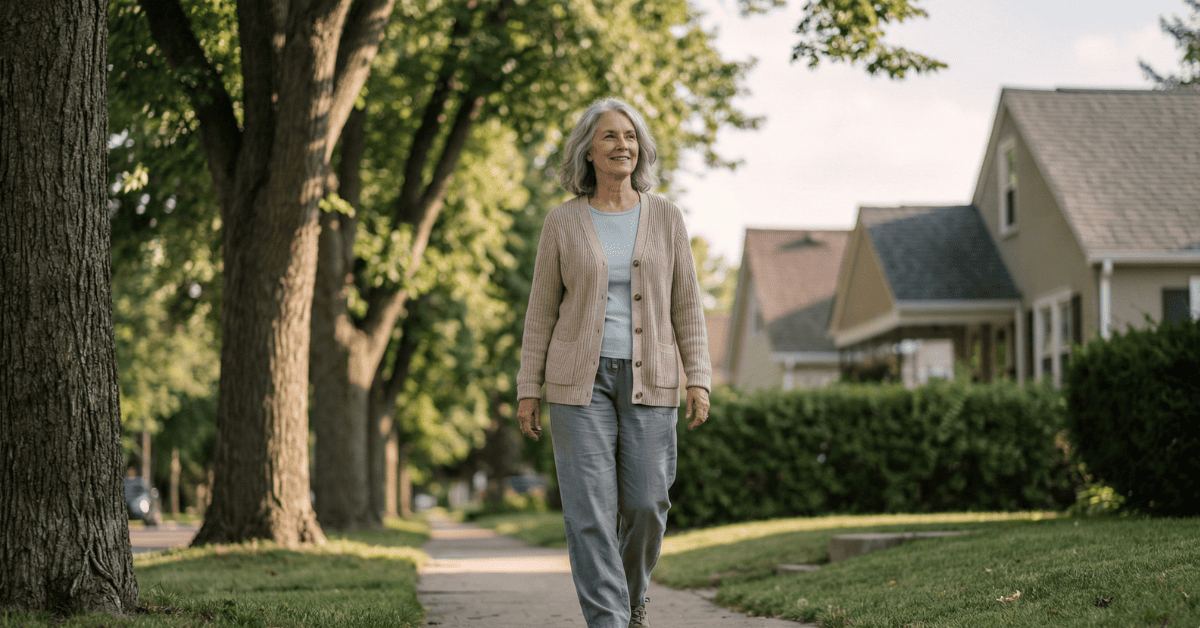
Frequent, natural movement supports long-term vitality and resilience.
Habit #2: Eat for Energy and Calm
What you eat daily shapes your gut, your mood, and your long-term vitality. Longevity-focused eating emphasizes whole foods, fiber, and consistency, not restriction.
Plant-rich meals, olive oil, legumes, leafy greens, and fermented foods support a healthier microbiome and steadier energy levels. Nutrition research increasingly shows how closely food choices affect emotional balance and mental clarity, as discussed inUnderstanding Nutritional Psychiatry andThe Fiber-Gut-Mood Connection.
Why it matters: A healthier gut environment is associated with better mood regulation and lower systemic inflammation.
Try this today (5 minutes):
Add one high-fiber food to your plate
Include a fermented option like yogurt, kefir, or sauerkraut
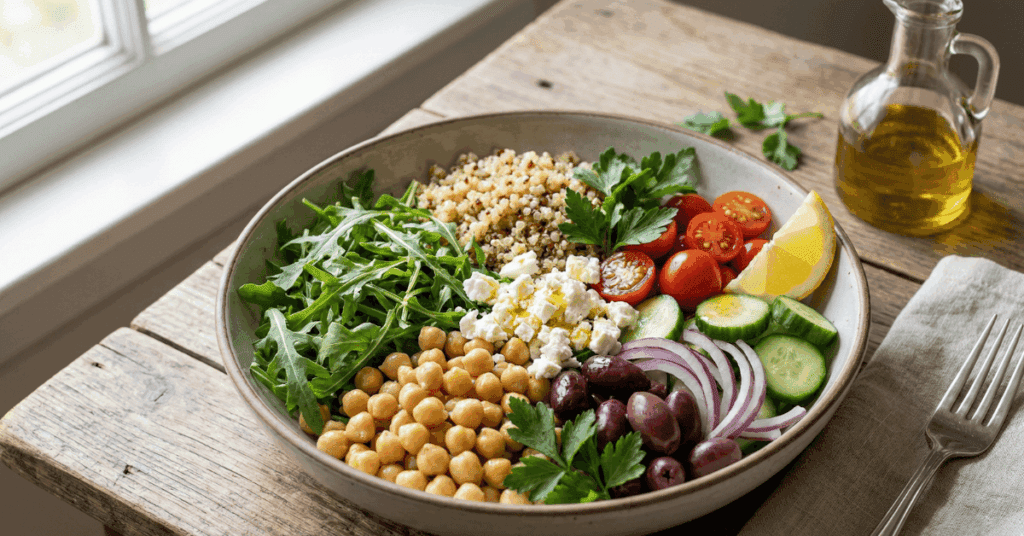
Fiber-rich, whole foods help regulate energy, mood, and digestion.
Habit #3: Build Simple Morning and Evening Anchors
Longevity is deeply connected to rhythm—especially your circadian rhythm. Small routines at the start and end of your day help signal safety and stability to your nervous system.
Morning light exposure, slow breathing, and a calm evening wind-down can improve sleep quality and daytime focus. Aligning routines with your natural energy pattern becomes even more effective when you understand your chronotype, as explained inChronotypes and Productivity.
Why it matters: Consistent routines help regulate sleep-wake cycles and stress responses.
Try this today (2 minutes):
Get natural light within 30 minutes of waking
Dim lights and screens 60 minutes before bed
Simple daily routines help regulate sleep, stress, and energy.
Habit #4: Cultivate Purpose and Connection
Healthy aging isn’t only physical—it’s deeply social and psychological. People who age well often share a strong sense of purpose and regular human connection.
Feeling useful, connected, and emotionally supported is associated with lower stress levels and better long-term health markers. This idea is explored further inThe Longevity Mindset.
Why it matters: Social connection supports emotional regulation and resilience during stress.
Try this today (2–5 minutes):
Send a meaningful message to someone you care about
Reflect briefly on what gives your day meaning
Meaningful connection is a powerful pillar of healthy aging.
Habit #5: Stress Less, Recover More
Longevity improves when recovery becomes a priority. Short pauses during the day—breathing slowly, stretching, or stepping away from screens—help your body shift out of constant alert mode.
Regular recovery supports energy balance and helps people feel calmer over time. For practical ways to build this habit, seeReset Your Nervous System.
Why it matters: Better recovery supports emotional balance and physical resilience.
Try this today (1–3 minutes):
Slow your breathing (longer exhales than inhales)
Take a brief screen-free pause
Daily recovery habits support calm and long-term health.
Your 7-Day Longevity Reset (Simple Plan)
You don’t need to do everything at once. Use this light framework:
Days 1–2: Focus on movement + morning light
Days 3–4: Add fiber-rich foods and one fermented food daily
Day 5: Strengthen your evening routine
Day 6: Prioritize connection or purpose
Day 7: Review what felt most supportive and keep those habits
Even choosing two habits and practicing them for a week can make a noticeable difference in how you feel.
A simple 7-day framework to reset habits and restore balance.
The Vital Living Perspective
Longevity isn’t about extremes—it’s about consistent alignment with how your body is designed to function. Small, repeated choices shape long-term outcomes.
If this approach resonates, you’ll enjoy exploringWhat Is Vital Living?, where longevity, energy, and calm intersect.
A longevity reset doesn’t require a new identity—just intentional simplicity. Choose habits that support calm, movement, nourishment, and connection.
Pick two habits and commit to them for the next 7 days.
“Longevity isn’t a goal—it’s a rhythm. Learn to live in tune with it.”
Longevity is built through consistent, intentional daily choices.