
The connection between stress and aging is stronger than most people realize—and it often starts earlier than expected.
You don’t need to feel constantly overwhelmed to be affected. Even low-grade, ongoing stress can quietly influence how fast your body ages, how well you recover, and how resilient you feel over time.
However, aging faster isn’t inevitable. Once you understand how stress interacts with your nervous system, hormones, and cellular repair, you can take practical steps to protect your long-term vitality.
In this article, you’ll learn:
- How chronic stress accelerates biological aging
- The systems most affected by prolonged stress
- Daily habits that help slow stress-related aging

How Stress Influences the Aging Process
Stress itself isn’t the enemy. In fact, short-term stress helps you adapt, focus, and respond to challenges.
However, problems arise when stress becomes chronic.
When your nervous system stays activated for long periods, your body prioritizes survival over repair. As a result, processes linked to regeneration, immune balance, and cellular maintenance receive fewer resources.
Over time, this imbalance contributes to accelerated biological aging.
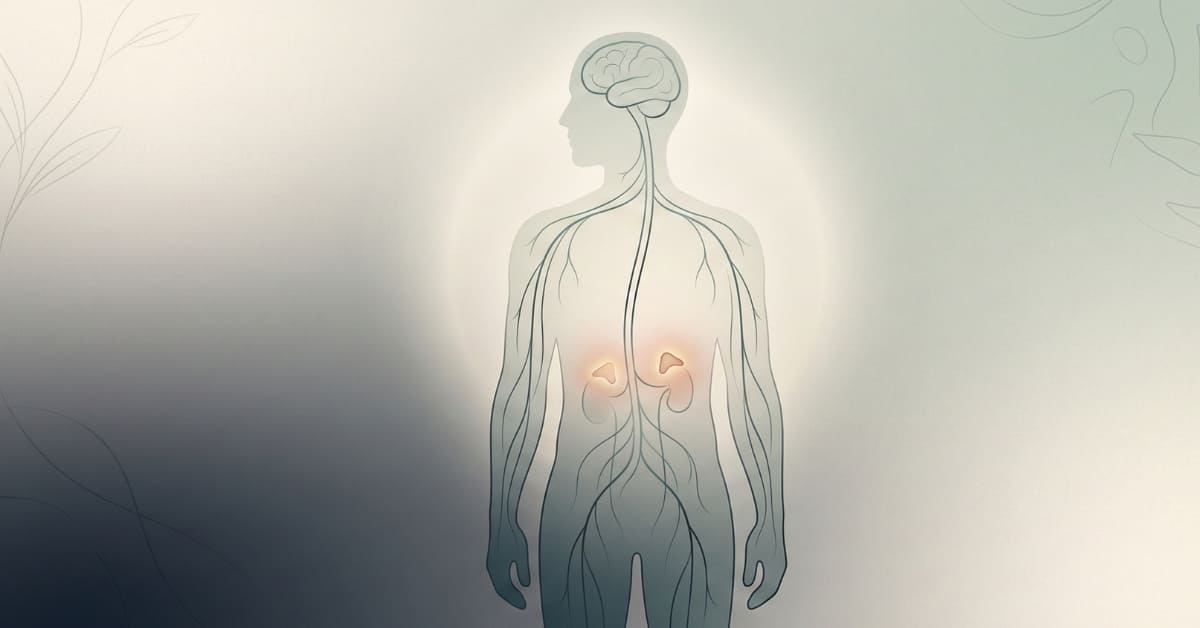
Cortisol, the Nervous System, and Aging
One of the main links between stress and aging is cortisol, the body’s primary stress hormone.
In healthy cycles, cortisol rises and falls naturally throughout the day. When stress is constant, cortisol patterns become disrupted.
This can lead to:
- Increased inflammation markers
- Impaired sleep quality
- Slower tissue repair
- Reduced stress resilience
Importantly, cortisol dysregulation is closely tied to nervous system imbalance. If this topic is new to you, our guide on nervous system regulation exercises explains how the body learns to exit stress mode.
Stress, Inflammation, and Cellular Wear
Chronic stress is associated with higher levels of low-grade inflammation.
While inflammation plays a role in healing, persistent inflammation places extra strain on cells and tissues. Over time, this contributes to what researchers call “accelerated aging pathways.”
Rather than causing immediate damage, stress works slowly—wearing down the body’s ability to repair itself efficiently.

Sleep Disruption and Biological Aging
Another key pathway linking stress and aging is sleep.
When the nervous system remains alert at night, sleep becomes lighter and more fragmented. As a result, the body misses critical windows for cellular repair, memory consolidation, and metabolic reset.
Even small improvements in sleep quality can positively influence long-term aging outcomes.
Why Stress Makes Aging Feel Faster
Beyond biology, stress also affects how aging feels.
People under chronic stress often report:
- Lower energy levels
- Slower recovery from exertion
- Reduced motivation
- Increased sensitivity to physical discomfort
In other words, stress doesn’t just influence lifespan—it impacts healthspan, the quality of life over time.
Daily Habits That Help Slow Stress-Related Aging
The goal isn’t to eliminate stress. Instead, it’s to help your body recover from it more efficiently.
1. Support Nervous System Recovery Daily
Short regulation practices help shift your body out of survival mode.
Even brief exercises—like those outlined in 5 minute anxiety reset exercises—can improve stress resilience when practiced consistently.
2. Protect Sleep Timing
Going to bed and waking up at consistent times supports hormonal balance.
Over time, stable sleep rhythms improve repair processes linked to healthy aging.
3. Maintain Stable Energy Through Nutrition
Blood sugar swings amplify stress signals.
Balanced meals with protein, fiber, and healthy fats support both nervous system stability and cellular health. You can explore this connection further in blood sugar and mental clarity.
4. Incorporate Gentle Daily Movement
Low-intensity movement improves circulation without adding stress.
Activities like walking or mobility work signal safety to the nervous system while supporting longevity.
5. Create Mental Completion Points
Unfinished tasks keep the stress response active.
Ending the day by noting what’s complete—rather than what’s left—helps the nervous system downshift more easily.
Stress, Longevity, and Long-Term Vitality
Longevity isn’t only about how long you live. It’s about how well your body maintains energy, clarity, and resilience over decades.
Managing stress through daily habits protects these systems quietly but powerfully.
Conclusion
The relationship between stress and aging isn’t dramatic—it’s cumulative.
Fortunately, small daily actions that support nervous system balance, sleep, and recovery can slow this process over time.
Start with consistency. Your future vitality depends on it.
Aging well begins with how well your body recovers from stress today.