5 Minute Anxiety Reset Exercises You Can Do Anywhere
5 minute anxiety reset exercises are designed for moments when your body feels overwhelmed and you don’t have the time—or energy—for a long routine.
Anxiety doesn’t always arrive as panic. Sometimes it shows up as tightness in your chest, racing thoughts, shallow breathing, or a sense that your system just won’t slow down. In those moments, telling yourself to “relax” rarely works.
What helps is sending your nervous system clear signals of safety.
In this guide, you’ll learn short, effective exercises that can help reset your stress response in under five minutes—without equipment, apps, or special preparation.
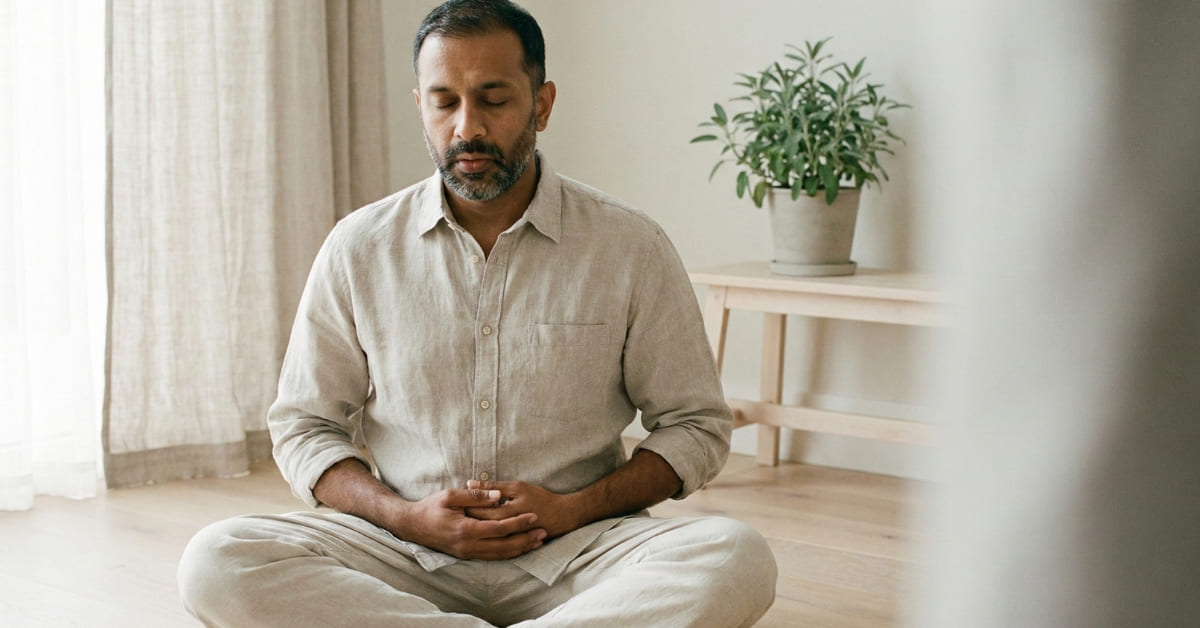
Short practices can quickly calm the nervous system.
Why Short Anxiety Reset Exercises Work
Your nervous system responds to sensory input, not willpower.
Even brief practices that involve breath, movement, or grounding can interrupt stress loops and activate parasympathetic pathways. Consistency matters more than duration.
This is one of the fastest ways to calm physiological arousal.
How to do it:
Inhale through your nose for 4 seconds
Exhale slowly through your mouth for 6–8 seconds
Repeat for several cycles
Why it helps: Longer exhales signal safety and reduce nervous system activation.
Longer exhales help signal safety to the body.
2. Grounding Through Physical Contact (1–2 minutes)
Gentle pressure helps anchor your body in the present moment.
How to do it:
Press your feet firmly into the floor
Place one hand on your chest and one on your abdomen
Notice the sensation of contact
Why it helps: Physical grounding reduces threat-based attention.
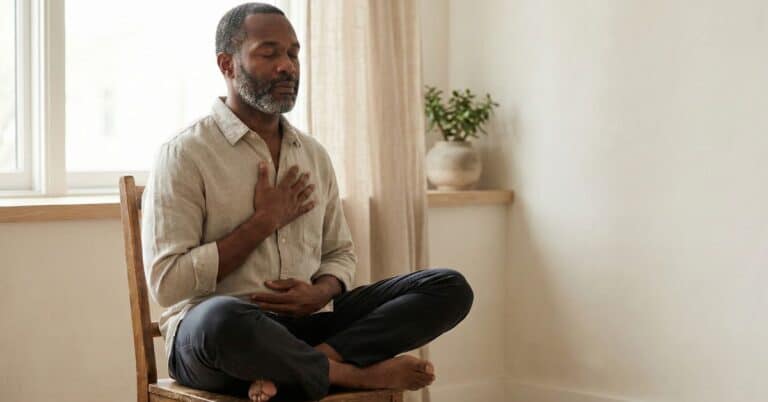
Physical grounding supports emotional regulation.
3. Neck and Jaw Release (1 minute)
Stress often accumulates in the jaw, neck, and shoulders.
How to do it:
Slowly roll your shoulders backward
Gently open and relax the jaw
Avoid forcing any movement
Why it helps: Reduces muscle tension linked to stress responses.
4. Visual Orientation Reset (1 minute)
This exercise shifts your nervous system out of tunnel vision.
How to do it:
Slowly scan the room
Name 3 neutral or pleasant objects
Let your gaze soften
Why it helps: Visual orientation signals environmental safety.
5. Slow Rhythmic Movement (1–2 minutes)
Gentle movement can be deeply regulating.
How to do it:
Walk slowly or sway side to side
Match movement with steady breathing
Why it helps: Mimics natural self-regulation patterns used by the body.
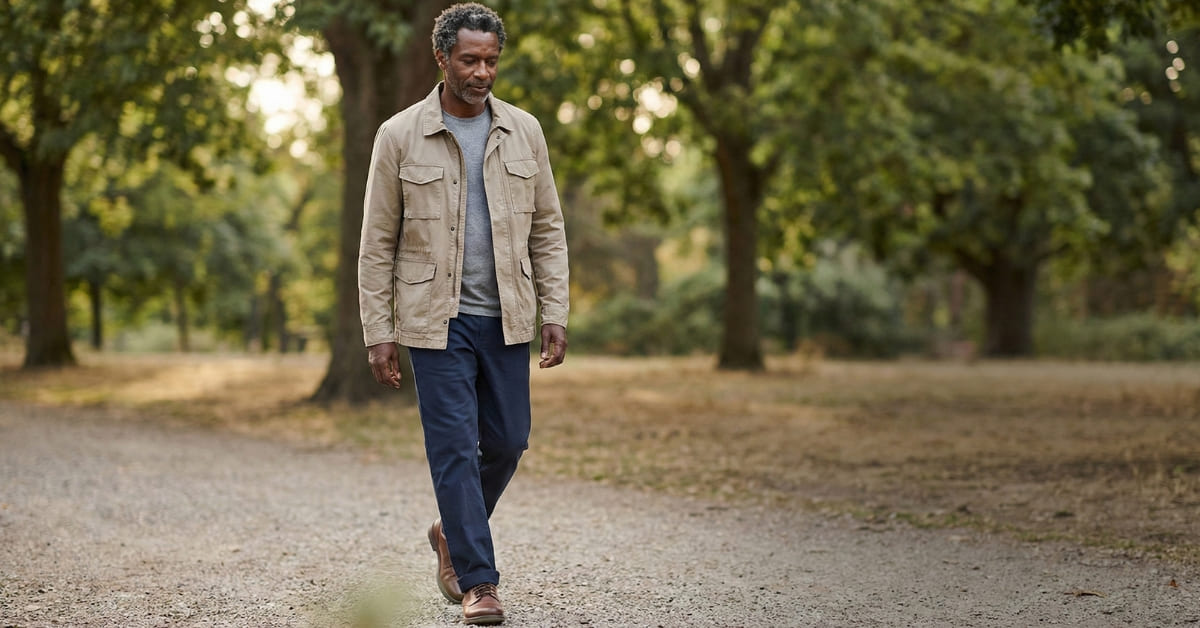
Gentle movement helps release built-up tension.
How to Use These Exercises During the Day
You don’t need to do all five.
Try this approach:
Choose one exercise
Use it consistently for a few days
Notice how your body responds
Short practices work best when repeated regularly.
When 5 Minutes Isn’t Enough
These exercises are meant for immediate relief—not as a complete solution.
If you notice anxiety or stress returning frequently, it may be a sign that your nervous system needs daily retraining, not just quick resets.
Structured daily practices can help your system learn to settle more easily over time.
5 minute anxiety reset exercises aren’t about eliminating stress. They’re about giving your nervous system a chance to pause, recalibrate, and recover.
Start small. Practice often. Let calm build gradually.
Small moments of regulation add up to lasting change.