
Does Melatonin Really Work? Facts and Myths About the Sleep Hormone
Trouble falling asleep? You’re not alone — millions turn to melatonin supplements hoping for a natural fix. But is it really effective? Or just placebo in a pill?
What Is Melatonin, Exactly?
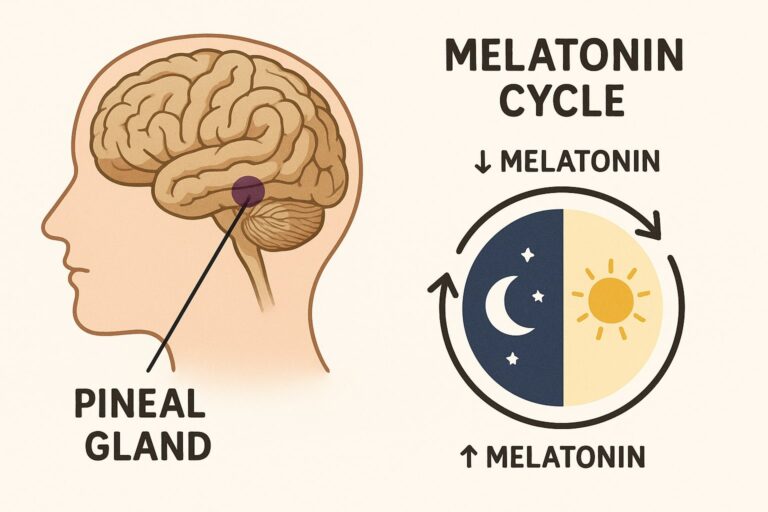
Melatonin is a hormone naturally produced by the pineal gland in your brain. Its main job? Regulating your sleep-wake cycle, also known as the circadian rhythm.
When darkness falls, melatonin levels rise, signaling to your body that it’s time to rest. In bright light, production drops. That’s why screen time before bed can seriously mess with your sleep.
How Melatonin Supplements Work (And When They Don't)
Melatonin supplements can help reset your internal clock. That makes them especially useful for:
-
Jet lag
-
Shift work
-
Delayed sleep phase syndrome (falling asleep very late)
However, melatonin is less effective for general insomnia caused by stress or poor sleep hygiene. It’s not a sedative. It won’t knock you out, but it can make falling asleep easier if timed correctly.
Timing matters:
Melatonin works best when taken 1–2 hours before your desired sleep time.
Dosage matters more:
More melatonin isn’t better. Doses as low as 0.3 mg can be effective, while higher doses may cause grogginess or disrupt your sleep.
Watch this short video explaining how melatonin actually works in the brain to synchronize your circadian rhythm and support sleep onset.
Top 5 Myths About Melatonin — Busted
1. Melatonin Is a Sleeping Pill
False. Melatonin signals your body to sleep, but doesn’t sedate you like prescription drugs.
2. More Melatonin = Better Sleep
Wrong. Overdosing can backfire, causing vivid dreams or next-day fatigue.
3. It Works for Everyone
Not quite. Age, health, and even genetics influence how your body responds.
4. It’s Harmless Long-Term
Unknown. While short-term use is considered safe, we don’t yet know the effects of long-term supplementation.
5. All Melatonin Supplements Are the Same
Definitely not. Some brands have inaccurate labeling, poor-quality ingredients, or additives.

Who Should (and Shouldn’t) Use Melatonin?
Best suited for:
Jet lag
Shift workers
People with circadian rhythm disorders
Not ideal for:
Chronic insomnia
Sleep issues from anxiety or depression
Pregnant or breastfeeding individuals (consult your doctor)
Natural Ways to Boost Melatonin Production
Before reaching for a supplement, try these natural strategies:
Limit blue light after sunset (use night mode or blue light glasses)
Create a bedtime ritual to cue your body it’s time to wind down
Eat melatonin-rich foods like tart cherries, grapes, and walnuts
Practice relaxation with breathing techniques or meditation
Supplements That Support Melatonin Naturally
If you’re looking to support your melatonin levels with a little extra help, here are three supplements we recommend:
- Java Burn: A natural metabolism-boosting formula that also supports healthy sleep patterns with ingredients like green tea extract and L-theanine. Buy here now
- ProDentim: Though focused on oral health, its probiotic strains may improve overall wellness and indirectly enhance sleep quality. Buy here now
- Nagano Lean Belly Tonic: A holistic tonic that promotes fat-burning and hormone balance, which can improve sleep regulation. Buy here now
Final Verdict — Is Melatonin Worth It?
Melatonin isn’t magic, but it can be effective if used with intention. It works best as a short-term sleep aid or clock-resetting tool, not as a nightly habit. The real power comes from combining it with healthy sleep practices.

Frequently Asked Questions
Can I take melatonin every night? You can, but it’s best used occasionally or short-term. Long-term safety is still under research.
Is melatonin safe for kids? Only under pediatric guidance. Dosages must be much lower.
What happens if I take too much? You may feel groggy, dizzy, or have vivid dreams. Stick to the lowest effective dose.
Does melatonin cause vivid dreams? Yes, especially at higher doses. It can intensify REM sleep.