
The Science of Mitochondria and Human Energy: How to Fuel Your Cells Naturally
What Are Mitochondria and Why Are They Crucial for Energy?
The Role of Mitochondria in ATP Production
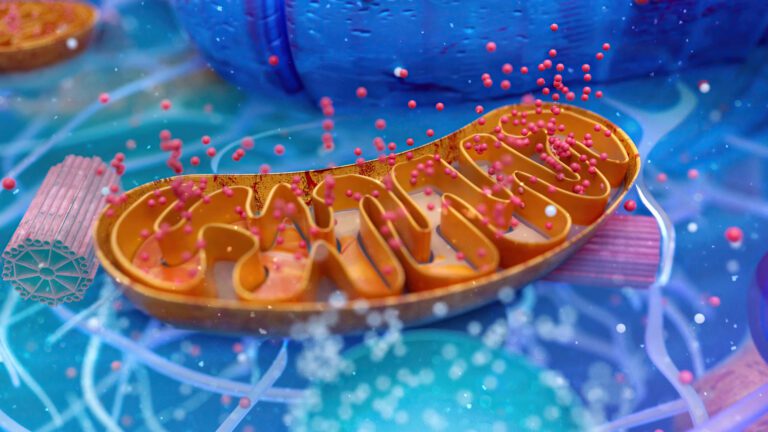
Often called the “powerhouses” of the cell, mitochondria are specialized organelles responsible for producing adenosine triphosphate (ATP) — the energy currency of life. Through a process known as cellular respiration, mitochondria convert the food we eat into usable energy, powering everything from muscle contraction to brain function.
What Causes Mitochondrial Dysfunction?
Aging and Mitochondrial Decline
As we age, our mitochondria naturally decline in number and efficiency. Damaged mitochondria accumulate, leading to reduced energy production and increased vulnerability to disease.
Environmental Toxins and Lifestyle Stressors
Exposure to pollutants, poor diet, sedentary behavior, and chronic stress can impair mitochondrial function. These stressors contribute to the generation of reactive oxygen species (ROS), which damage mitochondrial DNA and enzymes.
Oxidative Stress and Free Radical Damage
Oxidative stress results from an imbalance between ROS and the body’s ability to detoxify them. Mitochondria are both a source and a target of ROS, creating a cycle of damage that impairs energy production and accelerates aging.
Signs Your Mitochondria May Be Struggling
Chronic Fatigue and Brain Fog
A persistent lack of energy, difficulty concentrating, and sluggish mental performance are common signs of mitochondrial inefficiency.
Low Physical Endurance
If you tire easily during exercise or find it hard to recover, your cells may not be generating enough ATP to support optimal muscle function.
Slow Recovery and Inflammation
Inflammatory conditions and poor recovery from illness or exertion can indicate mitochondrial stress and compromised cellular repair mechanisms.

Natural Strategies to Support Mitochondrial Health
Diets That Boost Mitochondrial Function
Whole-food diets rich in antioxidants, healthy fats, and phytonutrients — like the Mediterranean or Ketogenic diet — have been shown to support mitochondrial health. These diets reduce inflammation and provide the raw materials for efficient energy production.
The Power of Movement and Oxygenation
Regular physical activity enhances mitochondrial biogenesis, the process of creating new mitochondria. Aerobic exercise, in particular, increases oxygen delivery to cells, supporting better mitochondrial performance.
Fasting and Mitochondrial Biogenesis
Intermittent fasting and time-restricted eating stimulate mitochondrial repair and promote metabolic flexibility. These practices enhance cellular cleanup processes like autophagy, which removes dysfunctional mitochondria.
Sleep, Light, and Circadian Rhythm
Quality sleep and exposure to natural light regulate circadian rhythms, which in turn support mitochondrial energy cycles. Red light therapy has also shown promise in enhancing mitochondrial function through photobiomodulation.

Conclusion — Cultivating Energy from the Inside Out
Mitochondrial health is foundational to sustained energy, mental clarity, and physical vitality. By understanding and supporting the natural processes that fuel your cells, you empower your body to perform at its best — naturally and holistically.
When to Seek Professional Guidance
If you experience chronic fatigue, persistent brain fog, or unexplained physical decline, consider consulting a healthcare provider to explore potential mitochondrial dysfunction and build a personalized strategy for recovery.