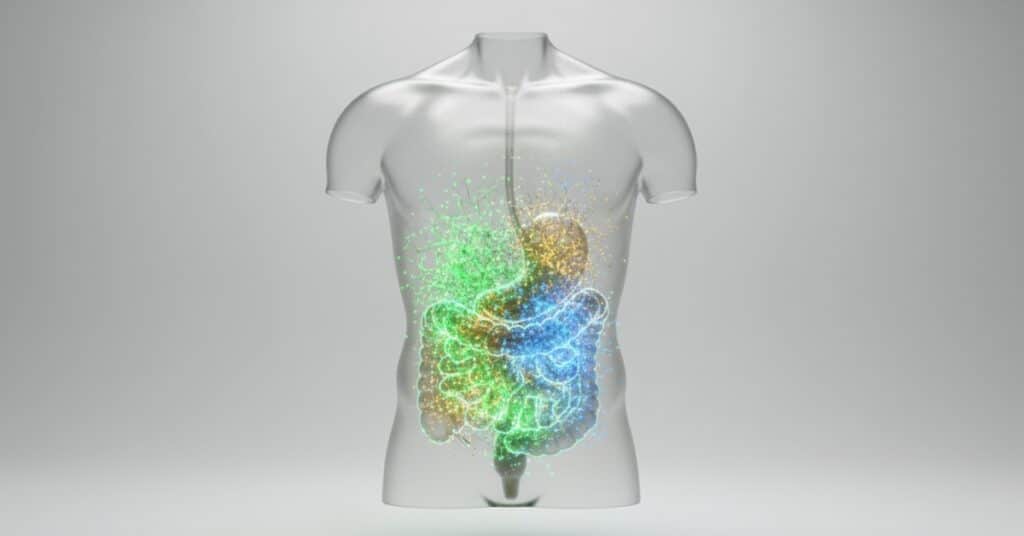
If you’ve been feeling bloated, sluggish, or mentally foggy as the year wraps up, your gut might be asking for a reset. The gut-brain axis—the communication highway between your digestive system and your mind—plays a crucial role in your energy, mood, and focus. When your gut health declines, everything from sleep to stress tolerance suffers.
The good news? You can reboot your system naturally before the new year. In this article, you’ll learn:
- Why your gut affects both your body and mind
- The key foods that restore balance and vitality
- How to build a simple 7-day gut reset plan for calm and energy

Why a Gut Reset Matters Now
Holiday eating, irregular routines, and stress can disrupt your microbiome balance, leading to inflammation, fatigue, and irritability. The gut produces over 90% of your serotonin, the neurotransmitter that regulates mood and calm. When your gut is off, so is your mind.
For a deeper look at how nutrition influences mood and focus, explore Understanding Nutritional Psychiatry.
Step 1: Clean Out the Gut Saboteurs
Start by removing the main disruptors that cause inflammation and energy crashes:
- Refined sugar and processed snacks
- Alcohol and excess caffeine
- Artificial sweeteners
- Vegetable oils (like canola and soybean)
These foods can damage the gut lining and fuel brain fog and anxiety. Instead, opt for nutrient-dense, whole foods to calm your digestive and nervous systems.
Tip: Try replacing one processed snack per day with a fermented option like kimchi, sauerkraut, or kefir to introduce beneficial bacteria naturally.
Step 2: Feed Your Microbiome Like It’s a Garden
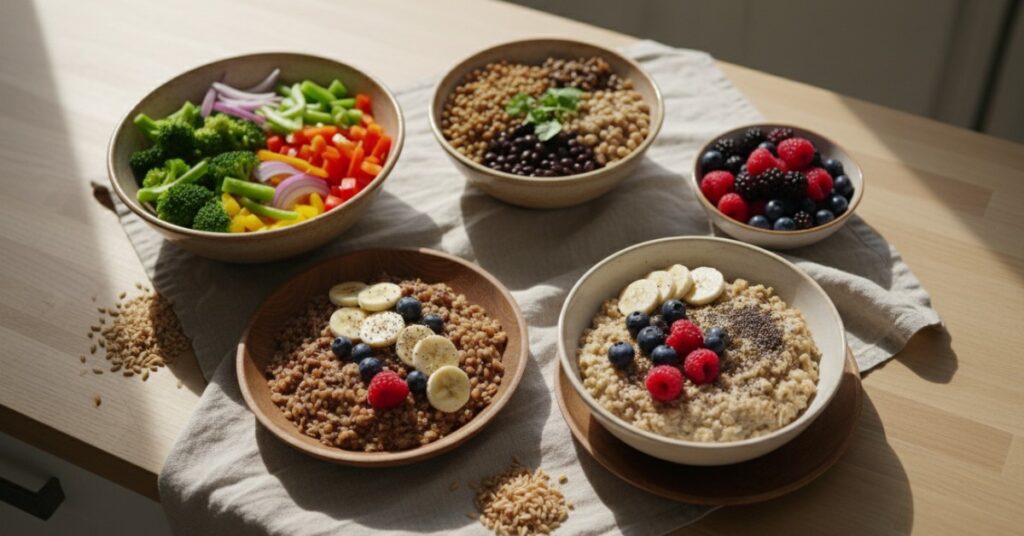
Your gut thrives on prebiotic fibers—the food for good bacteria. Add these to your daily meals:
- Oats, chia seeds, and flaxseeds
- Green bananas or cooked/cooled potatoes
- Asparagus, onions, and leeks
Learn why these fibers are essential for brain and mood balance in The Fiber-Gut-Mood Connection.
Step 3: Add Gut-Healing Foods
Support your gut lining and reduce inflammation with nutrient-rich choices:
- Bone broth: full of collagen and amino acids
- Aloe vera juice: soothes the intestinal lining
- Omega-3 fats: reduce inflammation and promote balance
To boost mental clarity and focus alongside digestion, read Mood Food: How Specific Nutrients Impact Your Mental and Emotional State.
Step 4: Try the 7-Day Gut Reset Framework
This mini-reset is designed to reboot your microbiome gently before the new year:
Morning:
- Warm lemon water + 1 tbsp apple cider vinegar
- 15 minutes sunlight exposure or short walk
Midday:
- High-fiber salad (leafy greens, legumes, olive oil)
- 1 serving fermented food (kefir or kimchi)
Afternoon:
- Herbal tea (ginger, peppermint, or chamomile)
- 10-minute breathing or journaling break
Evening:
- Simple protein + vegetables dinner
Sleep routine aligned with your Chronotype
Step 5: Practice Mindful Eating
Digestion starts in the mind. When you eat in a state of stress, your body diverts blood away from digestion. Slow down, chew thoroughly, and create a calm environment around food.
You can deepen your awareness through practices from our article 5-Minute Mindfulness Exercises for Busy People.

Step 6: Support Your Reset with Fasting Windows
Short fasting windows (12–14 hours overnight) give your gut time to rest and repair, improving metabolic health and mental clarity. Learn the foundations in Intermittent Fasting 101.

Step 7: Maintain Balance Beyond the New Year
A gut reset isn’t a one-time cleanse—it’s a lifestyle shift. Continue to:
- Eat diverse plant foods weekly
- Sleep according to your circadian rhythm
- Manage stress through breathing or grounding
To sustain this balance, check out how lifestyle and mindset affect longevity in What Is Vital Living?.
A Calm Gut for a Clear Mind
When your gut is balanced, your body produces more energy, your brain feels sharper, and your stress response stabilizes. This gut reset diet helps you enter the new year lighter, clearer, and more resilient.
The secret to long-term calm starts in your gut.