Mood Food: How Specific Nutrients Impact Your Mental and Emotional State
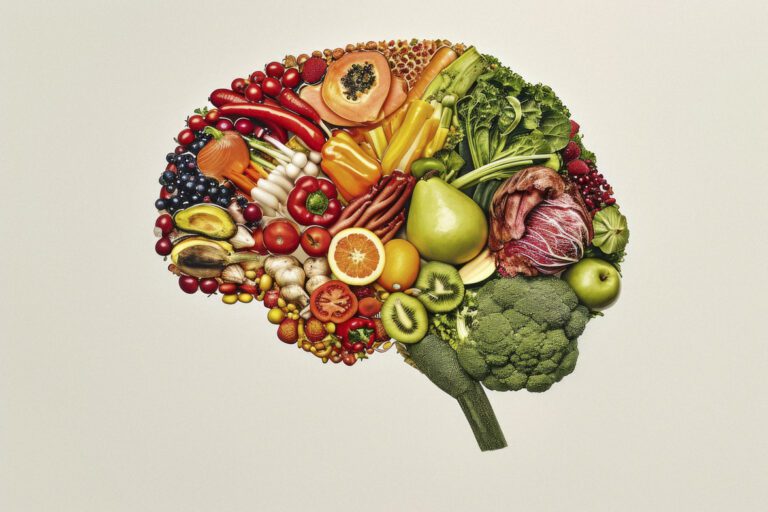
If you’ve ever felt anxious, foggy, or emotionally off after skipping meals or eating poorly, you’ve felt firsthand how food can mess with your mood—or help stabilize it. Science now confirms what many have suspected: what we eat profoundly affects how we feel. This article explores how specific nutrients influence your brain chemistry, mood stability, and mental clarity—and how to make food choices that support emotional wellness.
The Brain–Nutrient Connection
Your brain relies on a steady supply of micronutrients to produce neurotransmitters like serotonin, dopamine, and GABA—the chemicals that regulate mood, motivation, and calm. Deficiencies in key vitamins and minerals can lead to mood swings, irritability, low energy, and even symptoms of anxiety and depression.
Inadequate levels of B-vitamins are frequently found in people with depression and chronic stress. Supplementing may improve mood and reduce fatigue.
B-vitamins like B6, folate, and B12 help your brain produce serotonin—the happiness molecule
Magnesium and Anxiety Regulation
Magnesium is a mineral involved in over 300 enzymatic reactions, including those that modulate the nervous system. Not getting enough magnesium can heighten cortisol and trigger anxiety.
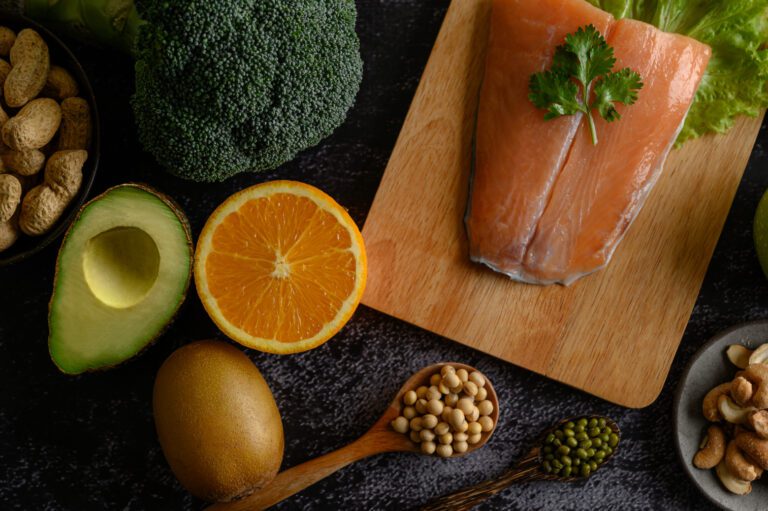
Sources: dark chocolate, pumpkin seeds, almonds, spinach, avocados
Magnesium helps activate GABA, the neurotransmitter responsible for calming brain activity.
Suggested product: Many people find benefits with chelated magnesium tablets—for example, Doctor’s Best High Absorption Magnesium (available on Amazon US). This form uses magnesium bisglycinate for better absorption and gentler digestion.
The brain is nearly 60% fat, and omega-3s (especially EPA and DHA) are critical to its structure and function. They reduce inflammation and support communication between brain cells.
Insufficient omega-3 intake has been linked to mood disorders, including depression and bipolar disorder.
Omega-3s reduce brain inflammation and support stable emotional function
Zinc and Dopamine Production
Zinc influences dopamine production, which is key for motivation, pleasure, and focus. It also plays a role in modulating the HPA axis, the stress-response system.
Sources: oysters, pumpkin seeds, beef, chickpeas
A lack of zinc may sap motivation and mental sharpness.
Iron and Mental Clarity
Iron is essential for oxygen transport and energy metabolism. Low iron levels can cause fatigue, poor concentration, and apathy.
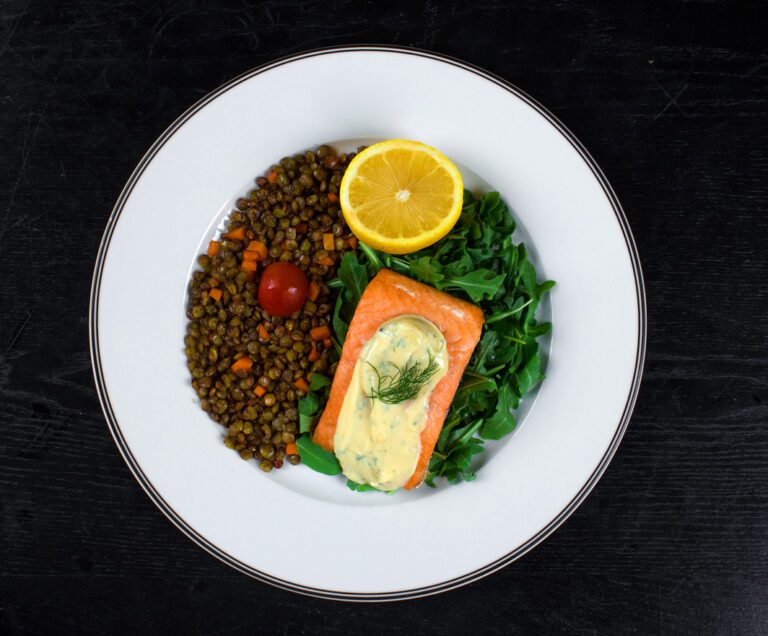
Sources: red meat, lentils, tofu, quinoa, spinach
Iron is particularly important for women of reproductive age, who are more prone to deficiency.
Probiotics and the Gut-Brain Axis
The gut produces over 90% of the body’s serotonin. A balanced gut microbiome supports mood regulation and reduces systemic inflammation, a factor in depression.
A healthy gut produces serotonin and communicates directly with your brain
Final Thoughts: Nutritional Psychiatry in Practice
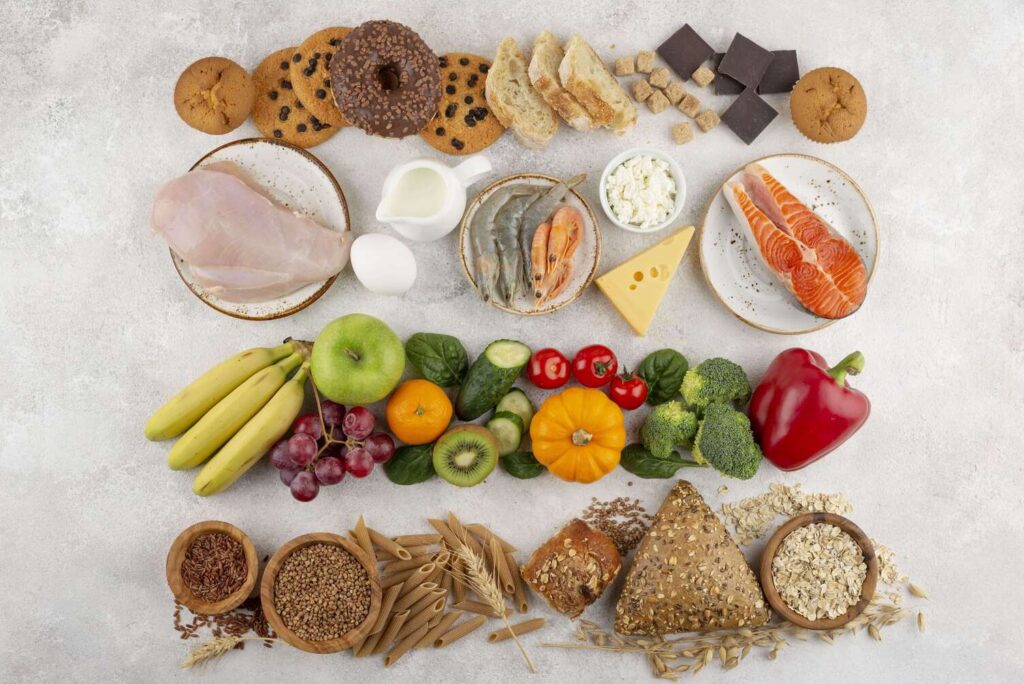
Mood-supporting nutrition isn’t about strict rules—it’s about consistent habits. Focus on whole foods, a rainbow of vegetables, and key nutrient-dense choices to stabilize your emotional health.
Consider speaking with a health professional or nutritionist if you suspect nutrient deficiencies. A simple blood test can reveal if targeted supplementation may benefit your mental clarity and resilience.
Food is information for your brain. Every bite sends a message—make it a good one.